



Nail
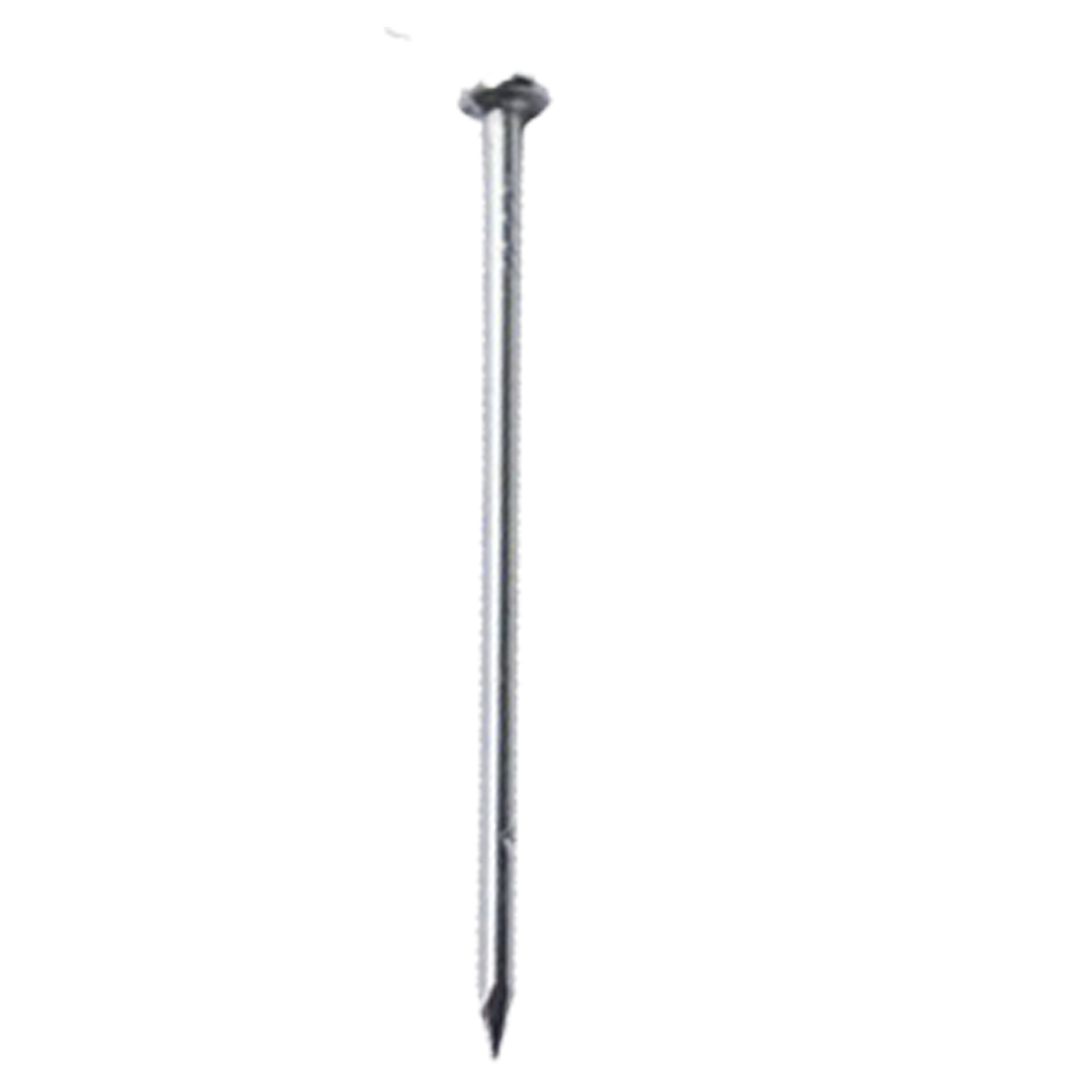
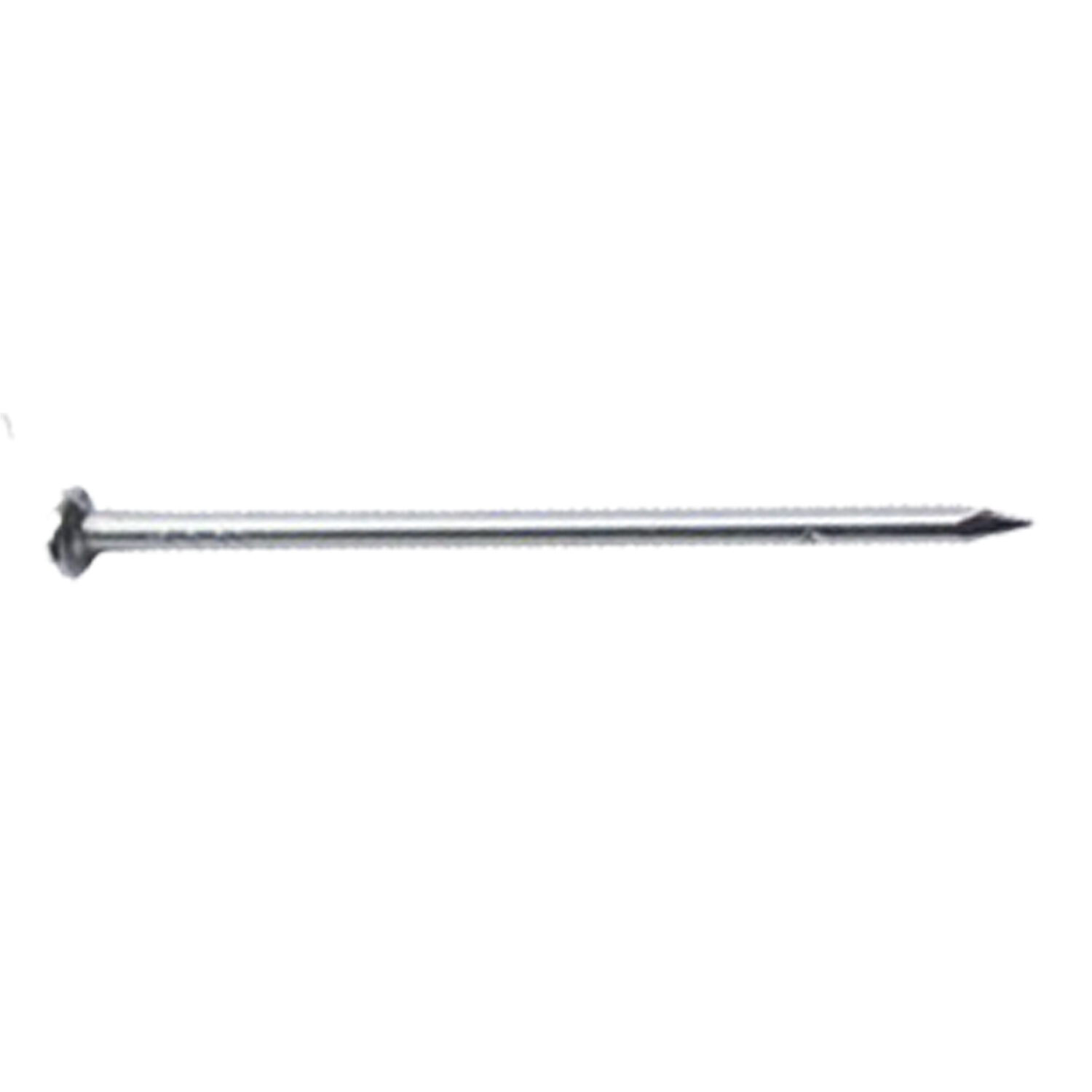
A **nail** is a simple, pointed metal fastener used primarily in construction, woodworking, and crafts. It consists of a flat head, a long shank, and a sharp tip, allowing it to be driven into materials such as wood, concrete, or metal to join or secure them. Nails come in various types, such as common nails, finish nails, and concrete nails, each designed for specific applications. Easy to install with a hammer, nails provide strong, reliable connections and are widely used due to their simplicity, cost-effectiveness, and versatility.
برای دریافت مشاوره با ما در ارتباط باشید.
توضیحات محصول
**Nails** typically consist of three main parts:
1. **Head**: The head is the part of the nail that is struck to drive it into the surface. It is usually flat, but for specific applications, it can be shaped differently to suit the task.
2. **Shank (Body)**: The shank is the portion of the nail that is inserted into the material. It can be smooth or threaded. Smooth shanks are used for simple connections, while threaded nails are used for stronger connections that require more holding power.
3. **Point**: The sharp tip of the nail is designed to easily penetrate the material. This allows the nail to enter wood, plastic, or metal surfaces smoothly.
### Types of Nails:
– **Common Nails**: These are standard nails used for general woodworking and construction. They have a smooth shank and a flat head, ideal for basic wooden connections.
– **Ring or Grooved Nails**: These nails feature a threaded or grooved body, providing greater holding power by locking into the material. They are often used in heavy-duty construction.
– **Finish Nails (Brad Nails)**: These nails have a very small head, making them ideal for delicate work where a neat, finished look is essential, such as in furniture or cabinet making.
– **Concrete Nails**: Designed to penetrate concrete, stone, or other hard materials, these nails are made of hardened steel with a very sharp point for driving into tough surfaces.
– **Casing Nails**: These nails have a thicker body and are used for construction projects that require stronger joints, such as in lighter concrete applications.
– **Double-headed Nails**: These nails have two heads on one end, allowing for easy removal. They are commonly used for temporary structures like scaffolding or concrete formwork.
– **Stainless Steel or Rust-resistant Nails**: Made from stainless steel, these nails resist corrosion and are often used in outdoor construction or in moisture-prone environments.
– **Steel Nails**: Constructed from steel, these nails are highly durable and are often used for attaching metal or for use in harder materials like concrete.
### Nail Manufacturing Process:
1. **Material Selection**: Nail production begins with choosing a metal wire, often made from steel, aluminum, copper, or stainless steel. The choice of material depends on the intended use, with steel nails used for heavy-duty tasks and rust-resistant nails used in wet environments.
2. **Wire Drawing**: Steel wires are reduced to the desired diameter by drawing them through a die. This process ensures that the wire is the right size for the specific type of nail being produced.
3. **Cutting and Shaping**: After drawing, the wire is cut into specific lengths, and the nail’s head and point are formed using specialized machinery. The sharp point and flat head are created through a stamping and pressing process.
4. **Threading or Grooving**: For nails requiring a threaded or grooved body, the shank is processed through threading machines, which add grooves or threads to the nail body for improved grip.
5. **Heat Treatment**: Certain nails, particularly concrete or steel nails, undergo heat treatment to increase their hardness and resistance to pressure. This step makes them more durable for tough applications.
6. **Coating or Plating**: To prevent rust and corrosion, nails are often coated with protective layers like galvanization or zinc plating. This enhances their durability and makes them suitable for a variety of environments.
### Applications of Nails:
– **Woodworking and Carpentry**: Nails are widely used for connecting different wood components. Carpenters and builders rely on smooth or ring shank nails for strong and secure joints.
– **Furniture Industry**: In furniture making, finish or brad nails are used for delicate connections. These nails are preferred because they leave minimal marks and blend into the design.
– **Formwork and Concrete**: Double-headed and concrete nails are essential for creating formwork for concrete pouring and temporary structures. Concrete nails, due to their strength, are used in concrete walls and structures.
– **Metalworking**: Steel and stainless steel nails are utilized in metalworking industries for attaching metal pieces or for use in hard materials like concrete.
– **Electrical Installations**: Concrete or masonry nails are used to fix electrical panels, wiring, and industrial equipment onto concrete or masonry surfaces.
– **Crafts and DIY Projects**: Nails are also popular in crafts, allowing for the construction of decorative items, wall art, and other small DIY projects.
### Advantages of Using Nails:
– **Easy Installation**: Nails are easy to install with basic tools such as a hammer, making them a convenient choice for various tasks. Their quick installation speed is a major advantage in construction.
– **Strong Connections**: Nails create very firm and secure connections, preventing materials from separating easily.
– **Cost-effective**: Compared to other fasteners like screws, nails are generally cheaper, making them an economical option for most construction and DIY projects.
– **Wide Applications**: Nails are available in various forms for different materials and environments, from simple woodworking to high-strength concrete applications.
– **Resistance to Environmental Conditions**: Coated nails, such as galvanized or stainless steel nails, resist rust and corrosion, making them ideal for use in moist or outdoor environments.
اطلاعات محصول
| سایز میخ |
28030 ,28040 ,28050 ,28060 |
|---|---|
| رنگ |
Galvanised |


Reviews
Clear filtersThere are no reviews yet.