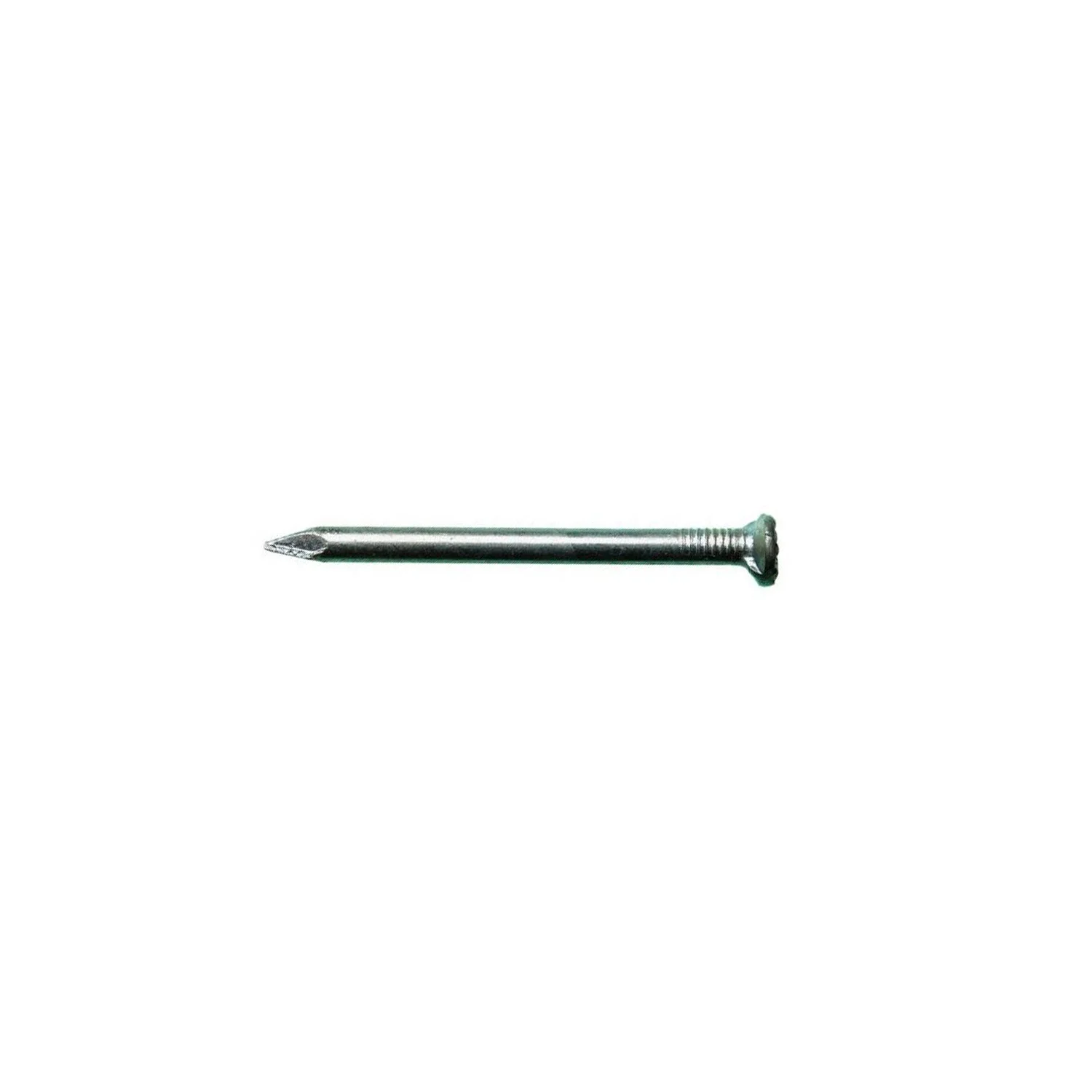
The **nail** is a simple yet effective metal tool with a pointed tip, commonly used for joining two or more parts in woodworking, construction, and decoration. Made from metals like steel, iron, copper, and sometimes aluminum, nails are easily driven into materials such as wood, walls, thin metals, and plastic with a direct hammer strike. They are highly popular in construction and industrial projects due to their quick installation, low cost, and ability to create strong, reliable connections.
### Types of Nails and Their Applications
1. **Common Nails (Round Nails)**: Made from steel or iron, these nails are used for general wood joining, such as in furniture, shelving, and woodworking projects.
2. **Ring Shank Nails**: Featuring grooves along the shaft, these nails provide a more secure hold by resisting pull-out, making them ideal for applications requiring durability, like wooden flooring.
3. **Finish Nails (Headless Nails)**: These nails have no head, making them ideal for projects requiring a clean, finished look. They are commonly used in decorative projects, picture framing, and attaching trim pieces.
4. **Concrete Nails**: Thick and sturdy, concrete nails are made from hardened steel and used for attaching materials to concrete or masonry. Due to their strength and resistance to breaking, they are widely used in construction.
5. **Roofing Nails (Wide-Head Nails)**: With a broad head, these nails help secure insulation materials on roofs and walls and are essential in roofing and insulation installation.
6. **Galvanized Nails**: Coated with a layer of zinc, galvanized nails resist rust and corrosion, making them suitable for use in damp environments like bathrooms and outdoor settings.
### Features of Nails
– **Simple and Cost-Effective**: Nails are affordable and widely accessible, allowing for quick and easy installations.
– **Durability and Strength**: Depending on the material and design, nails can create secure joins in various materials and are resistant to vibration and pressure.
– **Versatile Applications**: Nails are used in a wide range of applications, from woodworking and decor to construction and insulation installation.
### Advantages of Nails
– **Quick and Easy Installation**: Nails are easily driven into materials with a hammer or mechanical tools, requiring minimal effort.
– **Permanent or Temporary Joins**: Nails can be easily replaced or removed, making them flexible for either long-term or short-term connections.
– **High Resistance to Pressure**: Nails, especially those with ring shanks or galvanized finishes, offer excellent resistance to stress and pressure.
In summary, nails are multi-purpose tools that create strong and long-lasting connections, widely used in various industries as well as for home and industrial projects.